
Green Premium Strengthens: New Evidence Shows Higher Values for Sustainable Buildings
- Admin
- Dec 8, 2025
- 8 min read
Around the world, real estate markets are entering a phase where environmental performance is no longer a marketing feature but a financial determinant. The concept of a “green premium” has moved from academic discussions into measurable market evidence. Buildings that are energy efficient, sustainably designed and supported by credible certifications are now commanding higher sale prices, stronger rental growth and materially faster leasing compared to conventional stock.
What was once viewed as an optional upgrade has become a core driver of valuation and investor demand. This shift is redefining what it means to build competitively in the next real estate cycle. In this newsletter we look why the green premium is strengthening, the data behind its rise, how global and Southeast Asian markets are pricing environmental performance and what these trends mean for developers and owners preparing projects in the years ahead. For Mymland, the implications are direct. The developments that internalise sustainability early will not only achieve better market performance but will align with capital markets that increasingly evaluate real estate through an ESG lens.

The global evidence becomes undeniable
Over the past three years, some of the world’s largest property data institutions have published comprehensive studies demonstrating price and rental premiums for sustainable buildings. These include analyses from MSCI, JLL, CBRE, Deloitte, Knight Frank and the World Green Building Council. Individually their findings differ in scope and geography, but collectively they form a consistent conclusion: environmentally certified buildings outperform non-certified buildings financially.
In Europe, which has some of the strongest disclosure requirements, MSCI found that certified office buildings registered a rental premium of between five and twelve percent depending on market, while cap-rate compression was evident across several cities. The United States saw similar patterns. A long-term study of LEED-certified Class-A offices in major US metros recorded an average sale-price premium of nearly ten percent and lower vacancy rates over time. Australia’s NABERS-certified buildings demonstrated even stronger performance. Buildings with higher energy ratings reported longer tenant retention and resilience in weak leasing markets.
Investors are responding quickly to this information. Major global property funds, especially those managing pension and sovereign capital, have introduced screening rules requiring buildings to meet minimum energy performance thresholds. In some markets, a non-compliant office tower is now considered a “transition risk asset”, meaning its value could fall dramatically if retrofitting costs become unavoidable. As regulations tighten, especially in Europe and parts of Asia, older stock faces the prospect of becoming stranded if it cannot meet carbon-reduction requirements. Even in markets where regulation is softer, the weight of capital is pushing owners toward higher performance. When investors consistently favour assets with demonstrably lower operating costs, reduced carbon intensity and stronger tenant demand, pricing naturally shifts. The green premium is emerging not because sustainable buildings are fashionable but because data shows they reduce risk, improve competitiveness and deliver stronger income.

Why tenants are driving the premium upward
The most powerful force behind the green premium comes from corporate tenants. Large companies have adopted environmental and social commitments that shape their leasing decisions. They monitor carbon footprints, evaluate energy use and seek workplaces that signal responsible governance to stakeholders. These commitments are not superficial. International corporations are now required to disclose sustainability metrics in detail. A company that relocates into an inefficient building risks weakening its ESG score, increasing its operational carbon footprint and compromising its obligations to investors or regulators.
Modern corporate tenants are also concerned with employee wellbeing. Buildings with efficient cooling, better ventilation, low-toxicity materials, natural lighting and biophilic design elements create healthier environments. This influences productivity, reduces absenteeism and enhances talent attraction. As workforce preferences shift toward employers who value sustainability, companies are positioning their workplaces accordingly.
All of this translates into stronger leasing demand for green-certified buildings. In markets where vacancy is elevated, tenants gravitate to properties that offer energy optimisation, cost stability and positive brand alignment.
In markets where demand is strong, green buildings command higher rents because tenants value the additional features and flexibility. This pressure from tenants reinforces the green premium, turning sustainable real estate into an income-growth strategy rather than a compliance exercise.
Energy savings turn into valuation uplift
Operating costs have become a central part of real estate value analysis. Buildings with efficient cooling systems, renewable-energy integration or smart-energy management tools consistently record lower utility expenses. In climates like Southeast Asia where cooling demands are high, efficient systems offer extraordinary lifetime savings. For developers, this means that investments in sustainability often reduce long-term costs for owners and tenants. These savings, when capitalised into discounted-cash-flow models, support higher valuations.
In many markets, utility prices are rising as energy grids transition and global fuel costs fluctuate. Buildings that can reduce dependence on the grid and stabilise operating expenses instantly become more attractive financially. Energy optimisation systems using AI-based controls, sensor networks and predictive maintenance also contribute to these savings. They operate continuously, adjusting mechanical systems to real-time conditions and reducing waste without sacrificing comfort.
When these efficiencies translate into operating-expense reductions, the valuation of the asset increases. As investors evaluate buildings on total cost of occupancy and long-term resilience, sustainability becomes a financial asset in itself. The green premium is strengthened not by abstract environmental ideals but by measurable improvements in net operating income.
Regulators accelerate the premium
Governments are playing an increasingly important role in strengthening the green premium. In Europe, a wave of regulatory requirements has raised energy-performance standards dramatically. Singapore’s Building and Construction Authority has introduced progressively stricter Green Mark criteria and now requires large buildings to improve performance through retrofits. Japan has expanded mandatory reporting for emissions in buildings and introduced incentives for net-zero construction. These measures redirect capital toward greener stock as owners race to comply ahead of deadlines.

Malaysia is also progressing in this direction. Although the regulatory environment is not yet as prescriptive as Europe's, local councils and national agencies are adopting stricter performance guidelines. The Green Building Index continues to grow in influence, and new infrastructure plans emphasise sustainability outcomes. As the government implements climate commitments under international frameworks, energy performance in the building sector will become a national priority.
Regulation influences asset values because non-compliant buildings face risk of obsolescence. Owners must either invest in retrofits or face reduced demand. Green-certified assets avoid these risks, giving investors confidence that their asset is future-ready. The green premium therefore strengthens as regulation creates clearer distinctions between compliant and non-compliant stock.
Developers shift design strategy to meet demand
Developers around the world are repositioning their design strategies with sustainability at the center. Material selection now favours low-carbon concrete, recycled steel, sustainable timber and products with verified environmental profiles. Facade engineering is evolving to reduce heat gain and improve thermal comfort without excessive mechanical cooling. Mechanical and electrical systems are being designed for energy monitoring and performance analytics from the beginning rather than retrofitted later.
Buildings are also increasingly designed with renewable energy generation in mind. Rooftop solar, vertical photovoltaic surfaces and high-efficiency inverters are now part of many commercial projects. As battery technology improves and grid regulations evolve, developers will be able to incorporate energy-storage systems that stabilise on-site energy use and reduce reliance on peak-load supply.
Most importantly, sustainability is no longer a separate chapter in project planning. It is integrated into market strategy. Developers understand that buyers and tenants see long-term value in sustainable features. As more institutions embed environmental requirements into their investment policies, developers who build green from the start attract a broader audience of potential investors. The premium in value comes not only from higher rents but from improved liquidity when selling the asset.

How Southeast Asia fits into the global shift
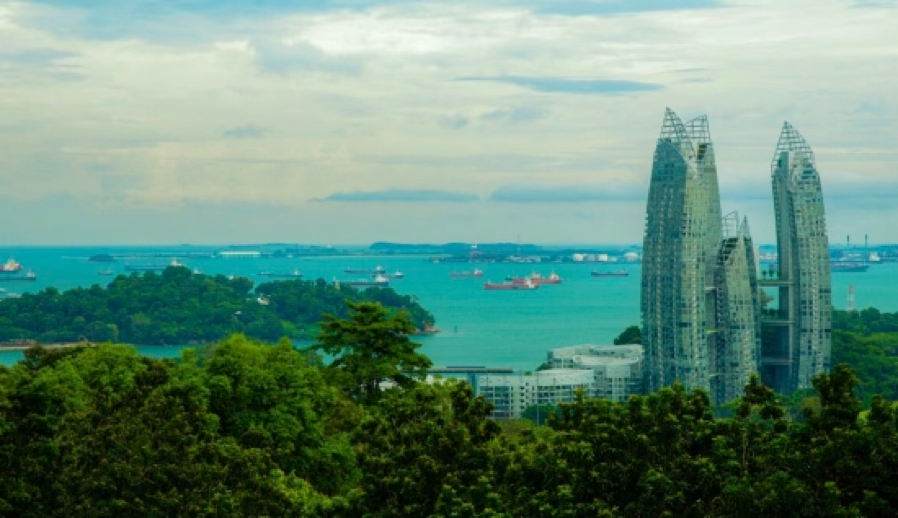
Southeast Asia is emerging as one of the most dynamic regions for sustainable real estate. Singapore remains a global leader in green building standards and has set ambitious pathways for net-zero buildings by mid-century. Indonesia has begun integrating sustainability into large urban developments. Vietnam is experiencing strong demand for modern, energy-efficient office and residential stock as its economy expands.
Malaysia, with its rising urban population and expanding metropolitan infrastructure, sits in a favourable position to benefit from the region’s shift toward sustainability. Tenants and buyers in Kuala Lumpur, Penang, Johor and other growth corridors increasingly recognise the financial and lifestyle advantages of greener buildings. Younger demographics value community-oriented, healthier environments. Multinational companies expanding into Malaysia bring global sustainability expectations. Institutional investors evaluating Malaysian projects apply the same ESG filters they use in Europe, Australia or Singapore.
As a result, Malaysian developers cannot rely solely on traditional models. They must differentiate through design quality, environmental performance and long-term resilience. Those who adapt quickly will enjoy stronger absorption rates, pricing power and international investor interest. Those who delay will face greater pressure as new supply enters the market with higher performance standards.
The retrofit wave and its implications
Another powerful trend is the rise of the retrofit market. Many buildings in Southeast Asia are reaching an age where mechanical systems become inefficient, facades degrade and layouts no longer support modern operational needs. Retrofitting represents both a challenge and an opportunity. It is costly and complex, but it can unlock significant value when done strategically. Buildings that undergo energy upgrades, redesign of airflow systems, installation of efficient equipment or improvements to shading and insulation often record substantial reductions in energy use.
These improvements position retrofitted buildings to compete with new developments. As energy-performance requirements tighten, retrofits may become mandatory for older stock. Developers with expertise in sustainable design will play an important role in this transition. The green premium is not restricted to new buildings. It also applies to assets that successfully transform into high-performance properties.
Where the green premium is heading
All signs suggest that the green premium will grow stronger over the next decade. As climate conditions become more extreme, buyers and investors increasingly seek buildings that are resilient to heat, flooding and energy volatility. Insurance companies are also reassessing risk, and buildings that reduce exposure to climate-related events may receive more favourable coverage. Meanwhile, the ongoing rise of ESG investment ensures that capital will flow disproportionately to assets that demonstrate sustainability credentials.
Certification systems such as LEED, BREEAM, GBI and Green Mark will continue to expand. Digital performance monitoring will become standard as regulators and tenants demand transparency. Buildings that cannot demonstrate environmental performance will struggle to attract anchor tenants or institutional buyers, even if located in prime areas.
The green premium is therefore not a temporary market trend. It is becoming a structural valuation factor.
What this means for Mymland
For Mymland, the strengthening of the green premium presents both an opportunity and a responsibility. New developments must be designed from the outset to meet the next generation of environmental and energy standards. This means prioritising facade performance, mechanical efficiency, renewable-energy readiness, waste and water management systems, and building analytics. It also means ensuring that sustainability is embedded in the project vision rather than treated as an afterthought.
Mymland’s projects can position themselves as leaders in this transition. By delivering buildings that offer lower energy consumption, superior comfort and credible certification pathways, Mymland will attract tenants who value performance and investors who require ESG alignment. The company can also explore retrofitting opportunities in existing assets, unlocking value while reducing environmental impact.
In a market where sustainability is now a financial differentiator, the decisions made today shape tomorrow’s competitive position. Mymland has the expertise, brand and ambition to lead Malaysia’s next chapter in sustainable real estate. By embracing the green premium rather than reacting to it, the company stands to build not only better buildings but stronger long-term value creation for its stakeholders.


Comments